


Saw Palmetto: Harnessing nature to fight DHT-related hair loss
According to the American Hair Loss Association (AHLA), androgenetic alopecia, a type of hair loss influenced by genetics and hormones, accounts for more than 95% of hair loss cases in men. By the age of 35, around two-thirds of men experience noticeable hair thinning, and this figure rises to approximately 85% by age 50. One of the key processes behind this condition is the gradual shrinking of hair follicles, with the hormone DHT playing an important role in people with androgen-sensitive follicles.
For this reason, approaches that target DHT have attracted increasing attention. Saw Palmetto is one of the best-known botanical ingredients studied for its potential role in influencing the formation of this hormone. But how does this small palm fruit fit into the conversation around DHT and hair loss? Let’s take a closer look with Nzheal.
What is Saw Palmetto? Exploring its potential to help prevent hair loss
Saw Palmetto is the common name for Serenoa repens, a small palm native to the coastal regions of the southeastern United States. For centuries, the Seminole people traditionally used its fruit as part of their natural health practices.
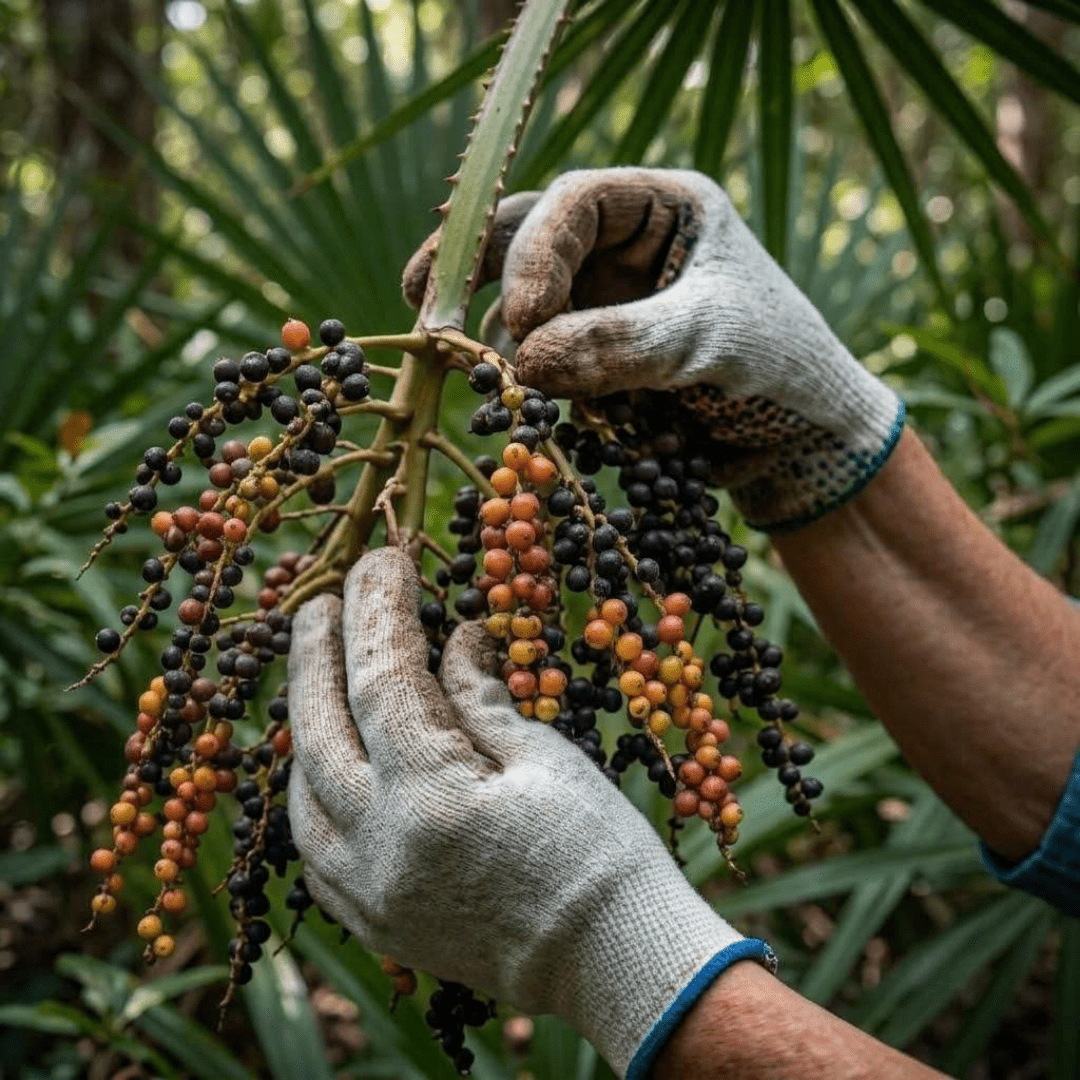
In modern hair care, interest in Saw Palmetto focuses mainly on the concentrated extract obtained from its fruit rather than the whole fruit itself. This extract contains several naturally occurring compounds, particularly:
- Fatty acids: These make up a significant portion of standardised Saw Palmetto extracts and are among the compounds being studied for their potential influence on pathways related to DHT production.
- Phytosterols, including beta-sitosterol: Naturally occurring plant compounds that have also drawn attention for their potential role in pathways associated with androgen activity.
These compounds have helped make Saw Palmetto a widely studied botanical in the field of hormone-related hair loss. To understand why, it is helpful to look at the relationship between testosterone, the enzyme 5-alpha reductase, and DHT.
Why may Saw Palmetto help influence DHT?
The enzyme 5-alpha reductase is involved in converting testosterone into DHT. In people with hair follicles that are sensitive to androgens, DHT can bind to receptors in the follicles and contribute to their gradual shrinkage.
As the follicles become smaller, the hair growth phase may become shorter. New hairs can grow back finer, shorter, and less pigmented, which may gradually make the hair appear thinner.
Saw Palmetto has attracted scientific interest because studies suggest that its extract may help influence the activity of 5-alpha reductase. By affecting this enzyme, Saw Palmetto may help reduce the conversion of testosterone into DHT. Lower DHT levels may, in turn, reduce its impact on androgen-sensitive hair follicles.
A 2020 systematic review published in the dermatology journal Skin Appendage Disorders examined seven clinical studies involving products containing Saw Palmetto in people experiencing different forms of hair loss. The combined findings reported that:
- 60% of participants experienced an improvement in overall hair quality.
- 27% experienced an increase in total hair count.
- 52% showed improvement or stabilisation of hair loss.
How is Saw Palmetto used in DHT-related hair loss solutions?
Because of its potential influence on 5-alpha reductase and DHT-related pathways, Saw Palmetto is now used in a variety of hair care approaches. It can be found in oral supplements as well as products designed for direct scalp and hair care.
Rather than relying on Saw Palmetto alone, many formulations combine it with other nutrients, botanical extracts, and vitamins. This allows the formula to address multiple aspects of hair health while also supporting concerns related to DHT.
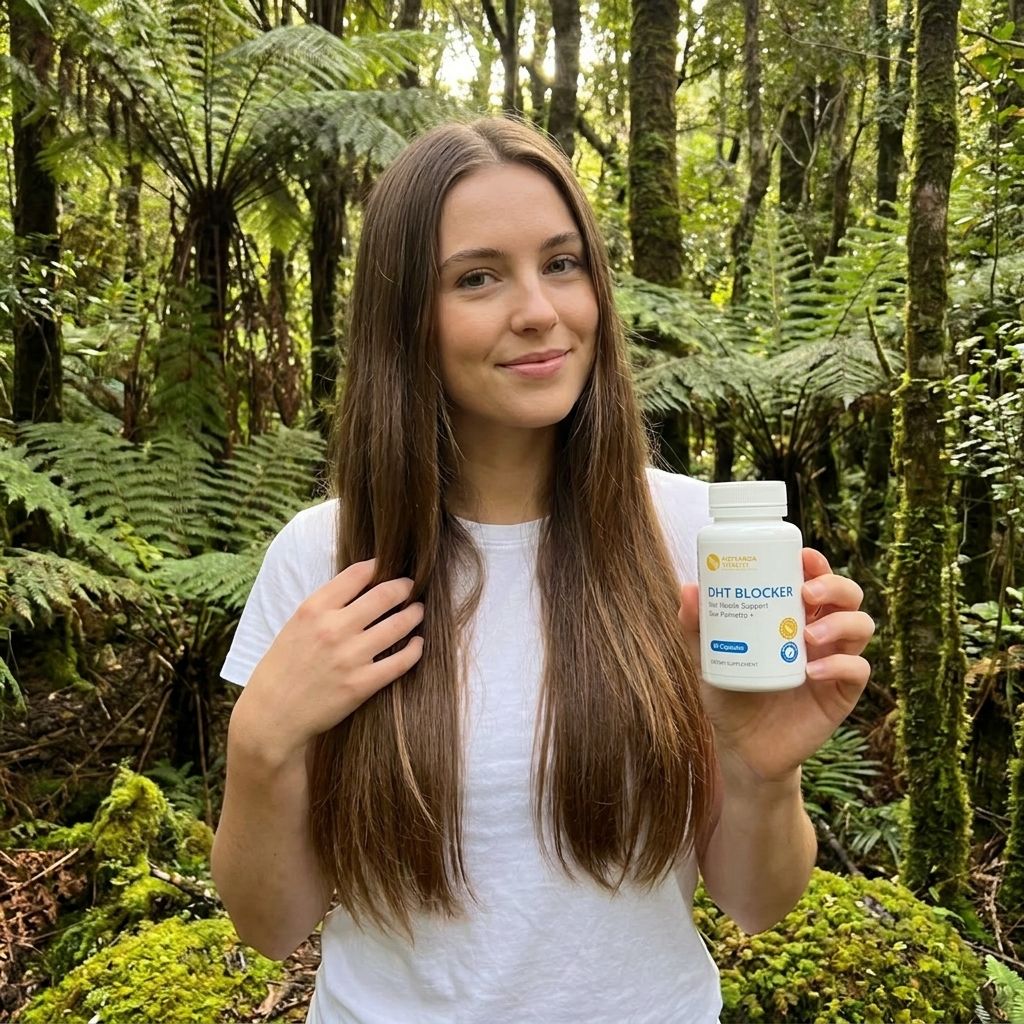
Aotearoa Vitality DHT Blocker features Saw Palmetto as a key ingredient in a formula designed to support people concerned about DHT-related hair thinning and hair loss. It also combines Ginkgo Biloba, which is traditionally used to support circulation, with grape seed extract and green tea, which provide antioxidant compounds. Zinc and B vitamins further support normal hair and skin health. With its multi-ingredient approach, the formula may be particularly relevant for people experiencing excessive hair shedding, DHT-related thinning or hair loss, especially when these concerns occur alongside ongoing stress.
For daily hair and scalp care, Aromase Hair Volumizing Shampoo incorporates Saw Palmetto into a formula designed to support a healthier-looking scalp and fuller-looking hair. Glycyrrhetinic Acid and Juniperus Communis help cleanse and care for the scalp, while Niacinamide and Panthenol help support scalp condition and maintain moisture in the hair. The formula is particularly suitable for fine, flat hair that lacks volume, helping the hair appear fuller, more lifted, and healthier.

Overall, Saw Palmetto is becoming an increasingly recognised ingredient in hair care approaches that focus on factors related to DHT. When included in well-designed formulas alongside other suitable ingredients, Saw Palmetto may support a broader approach to maintaining healthy-looking hair.
From a traditional North American botanical to a subject of modern research, Saw Palmetto has become an ingredient of growing interest in DHT-related hair care. Ongoing research into its mechanisms and practical applications continues to highlight its potential role in approaches designed for androgen-related hair thinning and hair loss.