


Persistent recurrent Candida infections: Causes and effective management strategies
“I have been dealing with Candida infections for over a year. Every time I take oral antifungal medication or use vaginal treatments, my symptoms improve, only to return a few months later. While some people recover after a single course of treatment, why do I keep experiencing recurring infections? Is the medication ineffective, or is my body simply not responding to treatment?”
This is a concern shared by many women. Candida infections not only cause persistent discomfort and irritation but can also significantly affect emotional well-being and overall quality of life. In reality, recurrent Candida infections are not solely determined by the effectiveness of antifungal medications. They are also influenced by immune function, dietary habits, and the formation of Candida biofilms within the body. Let NZHeal help you better understand this ongoing battle and explore effective strategies for managing Candida over the long term.
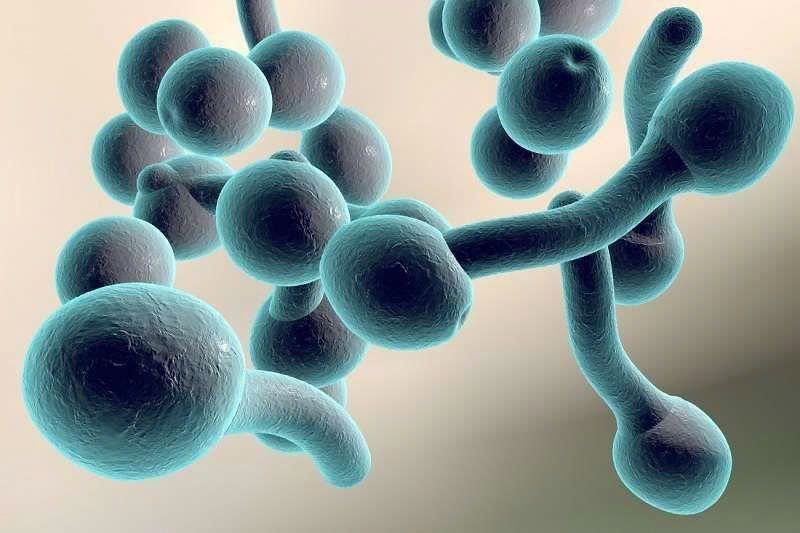
Why do some people recover after one treatment while others do not?
Even when following the same Candida treatment protocol, outcomes can vary considerably from person to person due to three key factors:
- Overall health and immune function
Individuals with a healthy immune system are generally better equipped to control yeast overgrowth after treatment. In contrast, chronic stress, diabetes, or prolonged antibiotic use can create favorable conditions for Candida to thrive and recur.
- Lifestyle and dietary habits
Sugar and refined carbohydrates serve as an ideal food source for yeast growth. In addition, excessive intimate hygiene practices – particularly frequent vaginal douching – can disrupt the natural pH balance and increase the risk of recurrent Candida infections.
- Biofilm formation
Biofilms act as a protective shield that allows Candida to evade antifungal medications, making treatment more challenging and increasing the likelihood of recurrence.
The persistent drug-resistance mechanisms of Candida albicans
Candida albicans is far from a simple microorganism. It possesses several sophisticated survival strategies that enable it to persist within the body, including:
- Forming biofilms around yeast colonies, reducing the penetration and effectiveness of antifungal medications.
- Genetic mutations: Inadequate dosing or prematurely discontinuing treatment may allow Candida to adapt and develop resistance to commonly used antifungal drugs such as Fluconazole and Itraconazole.
- Altering its cellular structure to survive even under unfavorable conditions.
According to the Centers for Disease Control and Prevention (CDC) in 2022, approximately 10 – 20% of recurrent Candida infections are associated with Fluconazole resistance. This often results from incorrect dosing or insufficient treatment duration.
So, how exactly do biofilms help Candida evade treatment?
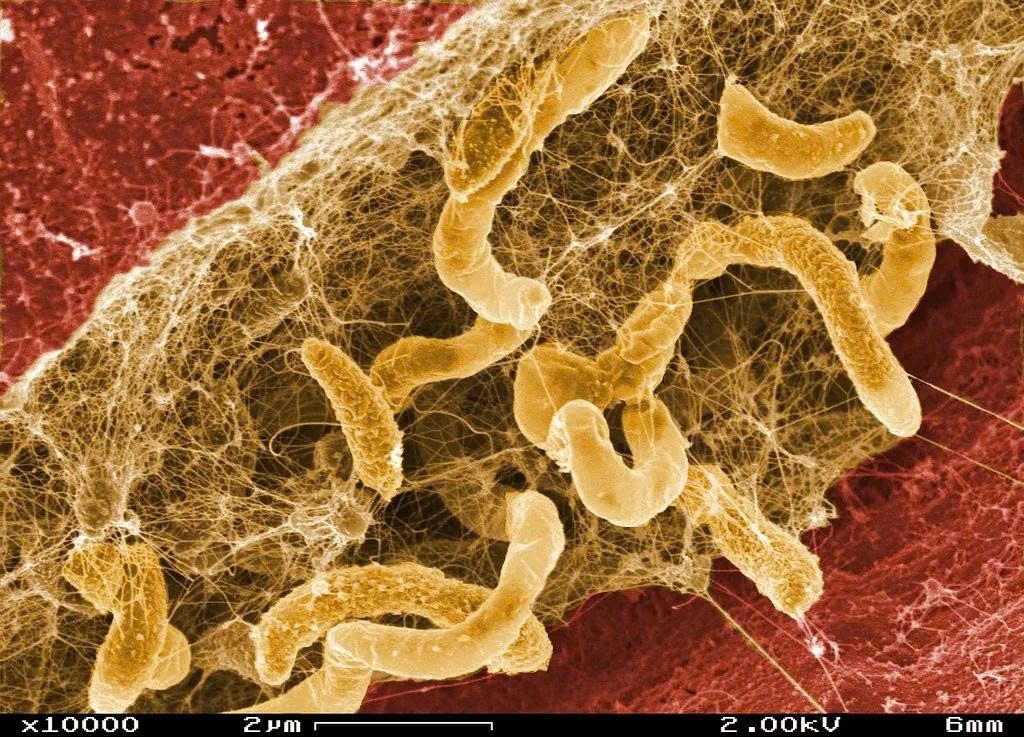
A biofilm is a community of microorganisms that adheres to surfaces such as the vaginal or intestinal mucosa, creating a robust protective barrier around yeast cells. A study published in Frontiers in Microbiology (2021) found that Candida cells embedded within biofilms can be 100–1,000 times more resistant to antifungal agents than free-floating yeast cells. This helps explain why symptoms may improve rapidly during treatment yet return shortly afterward, as Candida cells hidden within the biofilm can survive and continue to proliferate.
3 multi-target strategies for effective Candida management and prevention
To effectively control Candida, it is important to combine three key elements: Antifungal Treatment + Lifestyle Management + Probiotics.
Follow your treatment plan consistently
When using antifungal medications, avoid self-medicating or discontinuing treatment as soon as symptoms improve. Always follow your healthcare professional’s recommendations regarding antifungal therapies such as oral Fluconazole or vaginal Clotrimazole.
In cases where antifungal resistance is suspected, healthcare providers may consider alternative treatments such as Itraconazole or Voriconazole to improve outcomes.
Support microbiome balance with probiotics
Restoring a healthy microbial balance is one of the most sustainable approaches to long-term Candida management. When selecting a probiotic supplement, consider products that offer the following features:
- Multi-strain probiotic formula
A combination of beneficial bacteria such as Lactobacillus rhamnosus and Lactobacillus reuteri may help strengthen the body’s natural defense mechanisms.
- Natural antifungal ingredients
Ingredients such as Caprylic Acid and Horopito – a traditional New Zealand botanical – may help disrupt biofilms and create an environment less favorable for Candida growth.
- Micro-encapsulation technology
This advanced technology helps protect probiotic strains from stomach acid, improving their survival and delivery to the intestinal tract without requiring refrigeration.
According to findings referenced by Harvard Medical School, appropriate probiotic supplementation may help reduce the recurrence rate of Candida infections by 40–60%. Among the available options, Aotearoa Vitality CanZida Pro is formulated to meet all of the criteria above.
Aotearoa Vitality CanZida Pro provides 12 billion CFU of beneficial probiotics, including L. acidophilus, L. reuteri, and L. fermentum, combined with Caprylic Acid to deliver a comprehensive 3-in-1 approach: Candida Control – Vaginal Health Support – Natural pH Balance Maintenance.

In addition, Aotearoa Vitality CanZida Pro utilizes Micro-encapsulation technology, which helps protect probiotic bacteria from stomach acid, enhancing their survival rate and effectiveness once they reach the digestive tract.
Adjust lifestyle and dietary habits
In addition to medication and probiotic support, daily lifestyle choices play a critical role in reducing the risk of recurrent Candida infections.
Limiting sugar, refined carbohydrates, and highly processed foods can help reduce the nutrients that fuel yeast growth. At the same time, increasing the intake of vegetables, Omega-3-rich foods such as salmon, and unsweetened yogurt may support overall microbial balance.
It is also important to maintain proper intimate hygiene by using gentle cleansing products, cleaning only the external area, wearing breathable cotton underwear, and managing stress effectively.
Importantly, recurrent Candida infections are not exclusively a women’s health concern. Male partners should also be evaluated and treated when infections frequently recur after sexual activity, helping to reduce the risk of cross-transmission.
Recurrent Candida infections can be challenging, but they are not impossible to manage. Achieving lasting results requires patience and a comprehensive strategy that addresses multiple contributing factors.
Remember, eliminating yeast is only part of the solution. Long-term Candida control depends on maintaining a balanced immune system and a healthy microbiome—both of which serve as the foundation for sustainable wellness.