

New Zealand Manuka Honey: From its native origin to activity ratings
New Zealand Manuka honey has earned a global reputation as one of the world’s most distinctive natural honeys. Often referred to as “liquid gold”, it stands apart because of its unique naturally occurring bioactive compounds that are rarely found in other types of honey. These remarkable properties have made Manuka honey highly valued for both wellness and skincare applications.
However, not every product labeled “Manuka” offers the same level of quality. Understanding where the honey comes from, the naturally occurring compounds it contains, and the meaning behind its activity ratings can help you make an informed choice. These factors are essential for evaluating the authenticity and quality of genuine New Zealand Manuka honey.
What makes New Zealand Manuka Honey so unique?
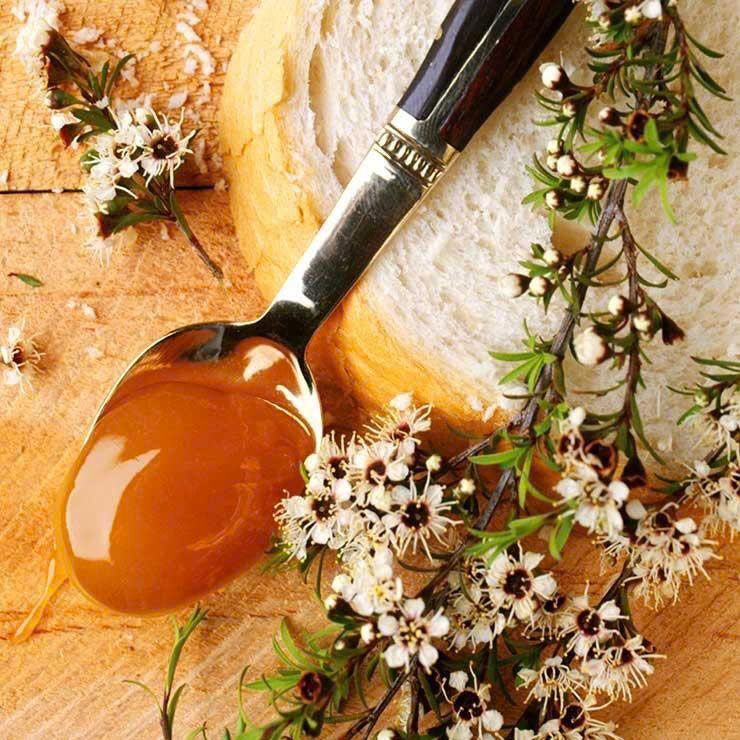
Manuka honey is produced from the nectar of the Leptospermum scoparium tree, commonly known as the Manuka tree, which is native to New Zealand. Although Manuka also grows in certain parts of Australia, New Zealand is internationally recognized for producing premium-quality Manuka honey. Its mild climate, fertile soil, and largely untouched natural environment provide ideal conditions for healthy Manuka forests and consistent honey production.
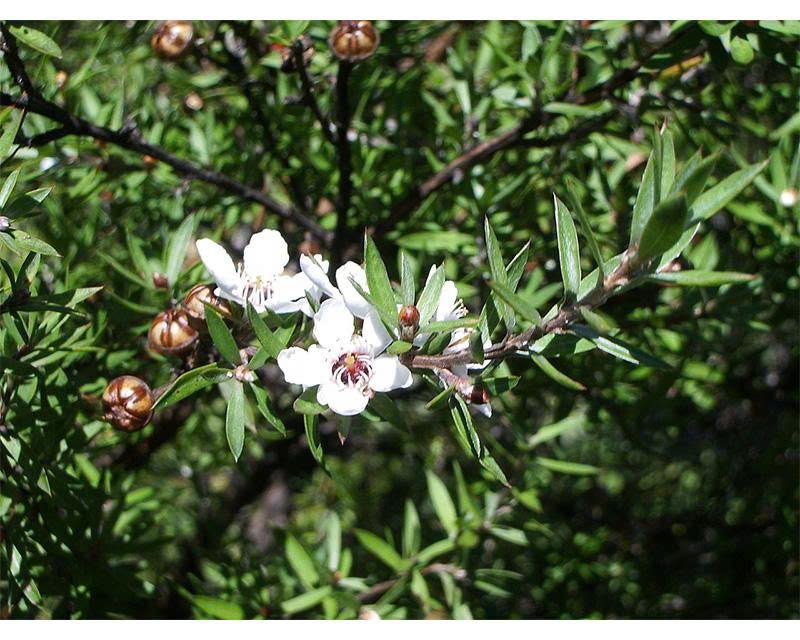 Another reason for its rarity is the Manuka tree’s short flowering season, which lasts only two to six weeks each year. During this limited period, bees collect nectar from wild Manuka blossoms, creating a honey naturally rich in bioactive compounds such as Methylglyoxal (MGO), Leptosperin, as well as antioxidant-rich polyphenols and flavonoids. These naturally occurring components are what distinguish Manuka honey from conventional honey.
New Zealand also maintains strict quality standards for Manuka honey. According to the country’s Ministry for Primary Industries (MPI), only honey that meets specific scientific requirements – including chemical markers and Manuka DNA authentication – can be legally labeled as “Manuka Honey.”
This rigorous quality control has also led to internationally recognized grading systems such as MGO and UMF, which help consumers understand the natural activity level of Manuka honey before making a purchase.
Understanding Manuka Honey activity ratings
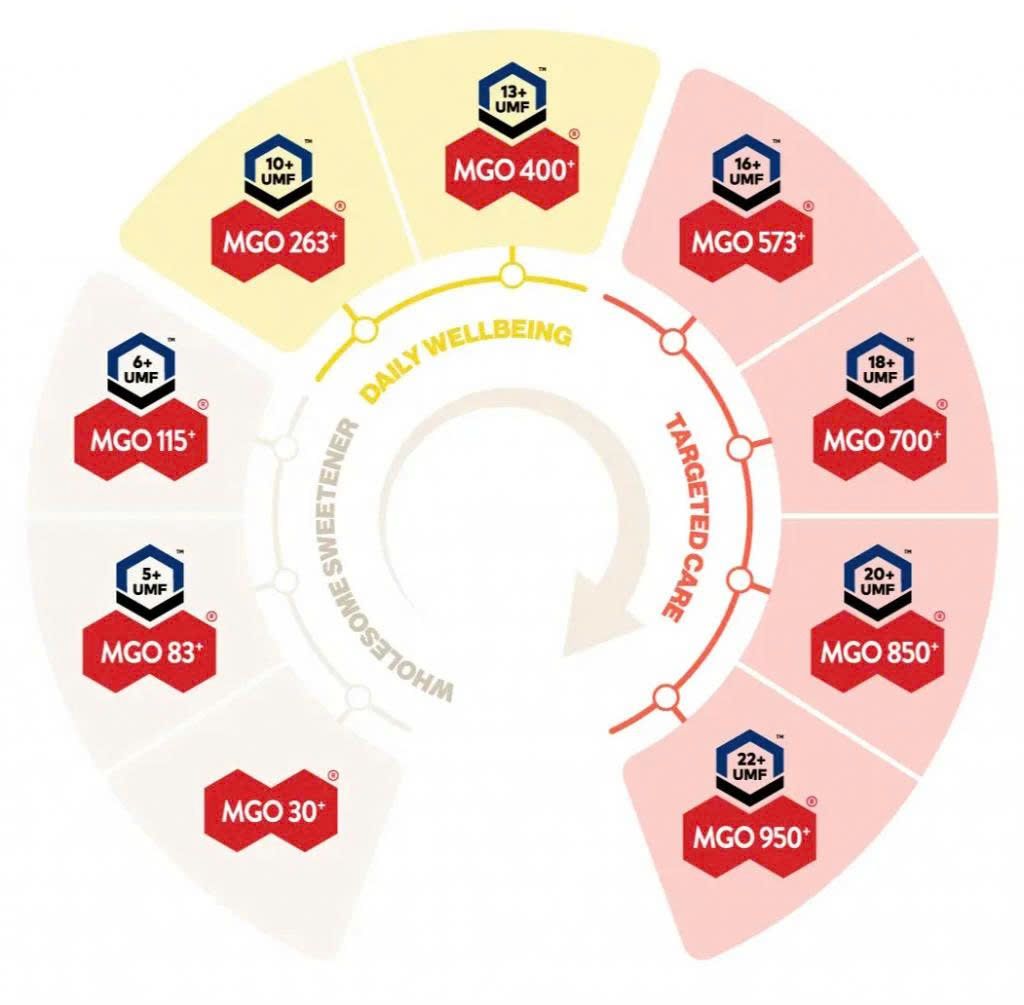
When shopping for New Zealand Manuka honey, you will often notice labels displaying MGO or UMF ratings. These grading systems indicate the honey’s level of natural activity and help consumers select a product that best suits their needs.
MGO Rating
MGO stands for Methylglyoxal, the naturally occurring compound responsible for many of Manuka honey’s unique characteristics. Methylglyoxal is formed naturally from DHA (Dihydroxyacetone), which is present in Manuka flower nectar.
Generally, a higher MGO rating indicates a higher concentration of Methylglyoxal and a greater level of natural activity. Common MGO ratings available on the market include MGO 100+, MGO 250+, MGO 400+, and MGO 550+.
UMF Rating
UMF, or Unique Manuka Factor, is an independent quality certification managed by the Unique Manuka Factor Honey Association (UMFHA) in New Zealand.
Unlike the MGO rating, which measures only one naturally occurring compound, the UMF grading system evaluates several important markers – including MGO, Leptosperin, DHA, and HMF – to verify both the authenticity and quality of Manuka honey.
Common UMF grades include UMF 5+, UMF 10+, UMF 15+, UMF 20+, and UMF 25+. In general, higher UMF ratings indicate higher natural activity and stricter quality standards.
Madeleine Ritchie Manuka Skin Health 18+: Harnessing the benefits of high-activity Manuka Honey
Understanding the origin of Manuka honey and its activity ratings highlights that the quality of a Manuka product depends not only on its source but also on its verified activity level and strict quality assurance. These are the same principles behind Madeleine Ritchie Manuka Skin Health 18+.
As the benefits of high-activity Manuka honey have become increasingly recognized, it has found a growing place in both wellness and skincare products. Madeleine Ritchie Manuka Skin Health 18+ is a nourishing skin cream formulated with certified UMF 18+ New Zealand Manuka honey, combined with carefully selected natural ingredients to help support healthy-looking skin.
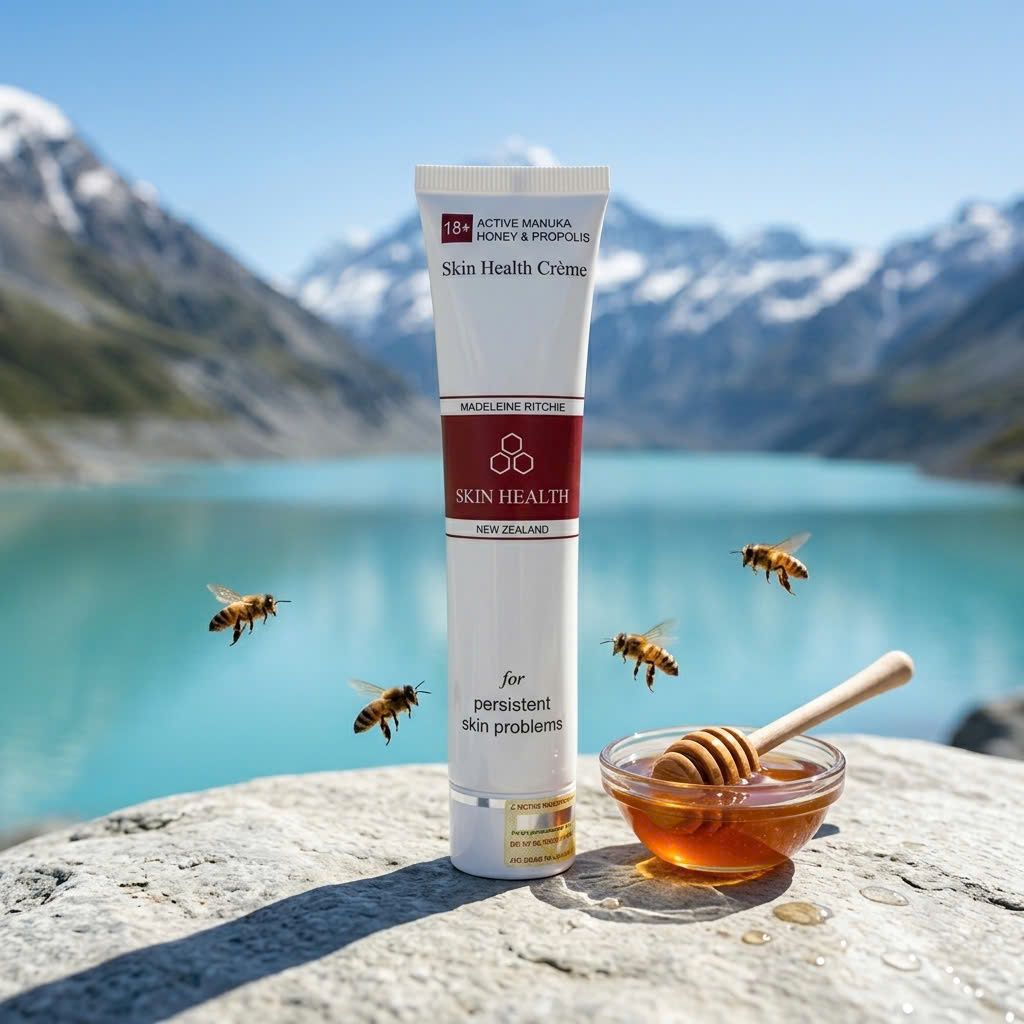
The formula is designed for skin affected by concerns such as acne, hormonal breakouts, eczema, psoriasis, and dermatitis. High-activity Manuka honey helps soothe irritated skin, support a balanced skin environment, and strengthen the skin’s natural defenses against everyday environmental stressors. Beeswax and propolis further enhance the formula by providing lasting moisture, relieving dryness, and supporting the skin’s protective barrier.
Made with 100% naturally derived ingredients, Madeleine Ritchie Manuka Skin Health 18+ is suitable for a wide range of skin types, particularly sensitive skin or skin that needs extra care and recovery. It is an excellent choice for anyone looking to incorporate the benefits of high-quality New Zealand Manuka honey into their daily skincare routine.
New Zealand Manuka honey is valued not only for its unique botanical origin but also for its naturally occurring bioactive compounds and rigorous quality standards. Together, its exceptional growing environment, strict production requirements, and internationally recognized activity ratings such as MGO and UMF make genuine New Zealand Manuka honey one of the most distinctive and trusted natural honeys available today.