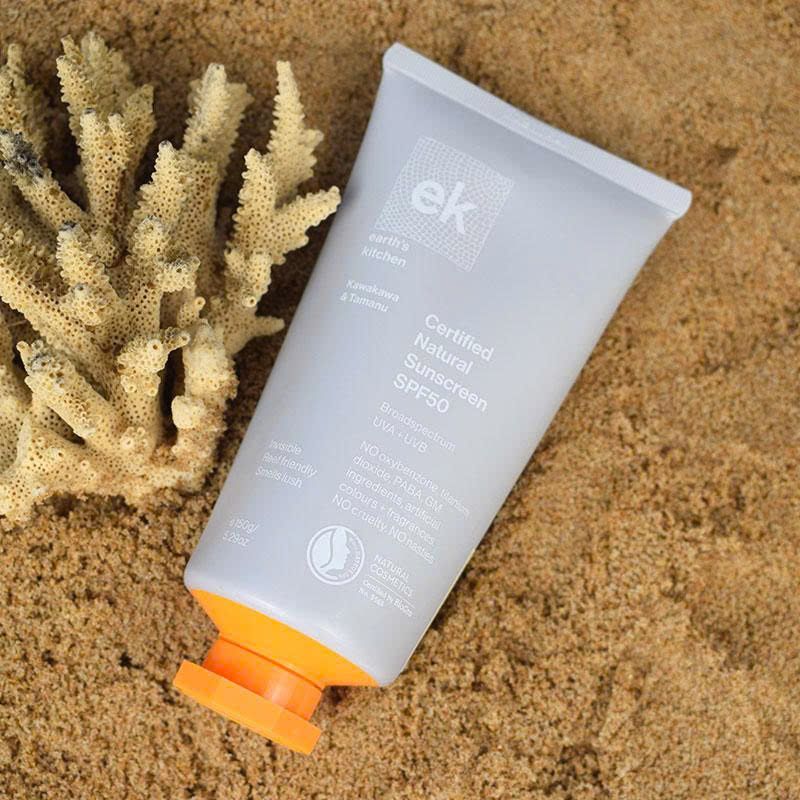


3 causes of sensitive skin & a science-backed recovery routine from Nzheal
Does your skin often feel red, tight, dry, flaky, or sting even after applying moisturizer? These are common signs that your skin has become sensitive and needs the right care.
Using products labeled for sensitive skin is not always enough. The most important step is restoring your skin barrier so your skin can stay healthy and resilient.
If you’re not sure where to begin, let’s explore the common causes of sensitive skin and learn how to build a simple, science-based recovery routine.
Why is your skin becoming more sensitive?
1. Skin recovery after professional treatments
Professional treatments such as laser therapy, chemical peels, and microneedling are widely used to improve concerns like acne, pigmentation, and acne scars. When performed correctly and followed by proper aftercare, these treatments can deliver excellent results.
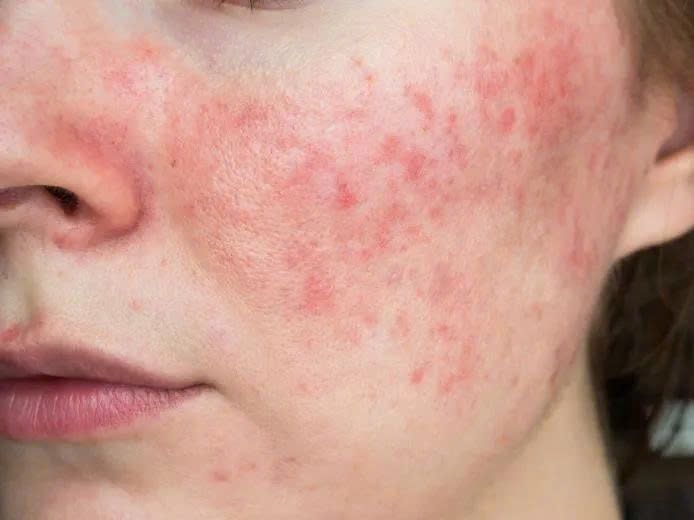
However, your skin barrier becomes temporarily weaker after treatment, making your skin more vulnerable to irritation. You may notice symptoms such as:
- Redness or a warm sensation
- Dryness and mild flaking
- Stinging when applying skincare products
- Increased sensitivity to sunlight
These reactions are normal during the healing process. The key is to support your skin with the right recovery routine. Gentle skincare helps soothe irritation, replenish moisture, strengthen the skin barrier, and promote healthy regeneration. It may also help reduce the risk of post-inflammatory hyperpigmentation (PIH).
Along with following your dermatologist’s instructions, using dedicated skin recovery products immediately after treatment is an important step toward faster healing.
2. Long-term use of corticosteroid creams
Another common cause of sensitive skin is the prolonged use of skincare products containing corticosteroids without medical supervision.
These products may quickly reduce acne, inflammation, or brighten the skin. However, long-term use or suddenly stopping them can leave the skin damaged and dependent on the medication.
When the skin barrier becomes compromised, it loses its ability to defend against external irritants. Common symptoms include:
- Thin, easily flushed skin
- Dryness, peeling, and stinging
- Irritation from regular skincare products
- Inflammatory acne, small bumps, or visible capillaries
If your skin has been affected by corticosteroids, keep your routine as simple as possible. Choose gentle products that focus on hydration, soothing, and rebuilding the skin barrier. For severe cases, consult a dermatologist for professional treatment.
3. Sun damage from UV exposure
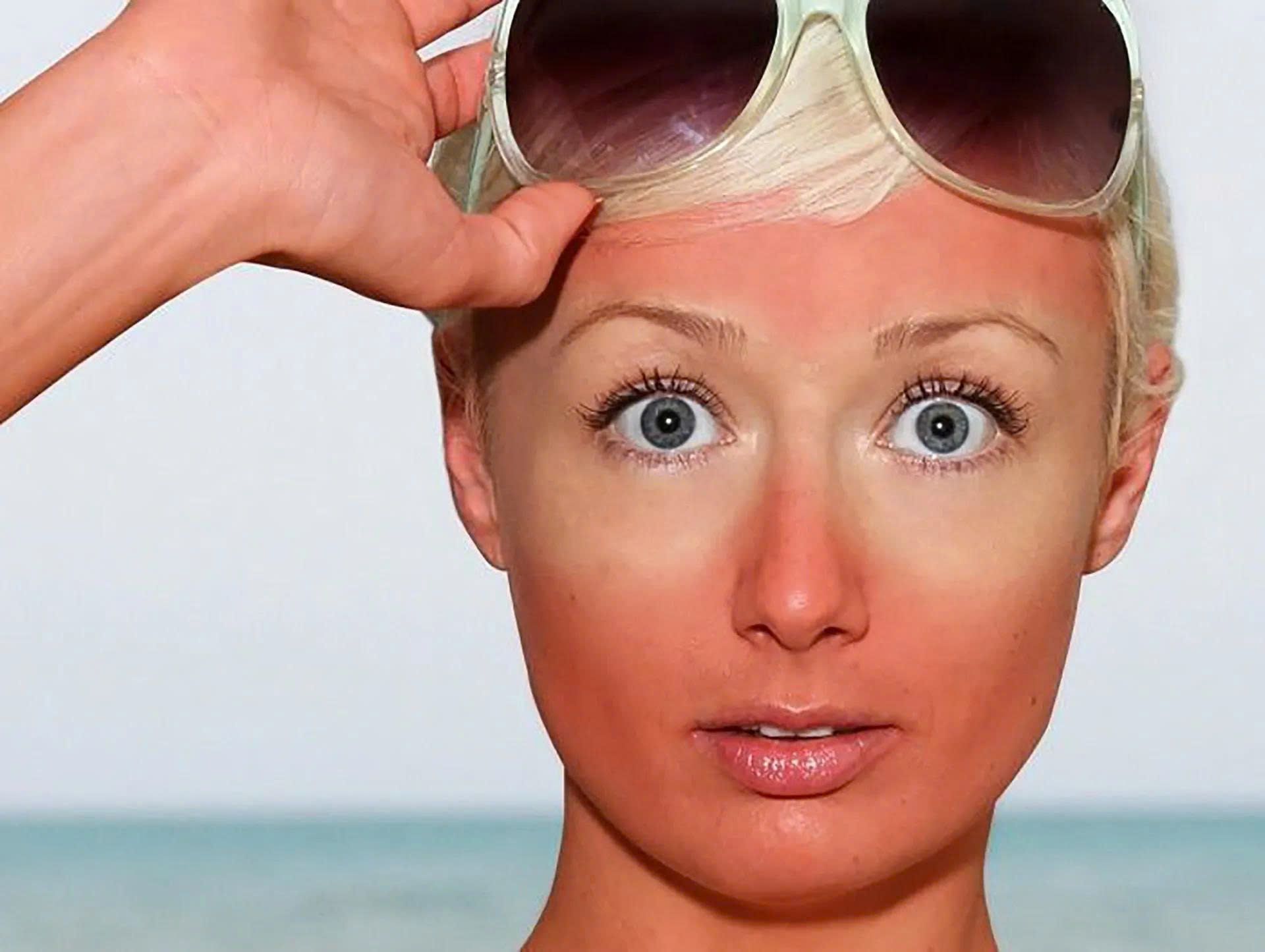
Too much sun exposure is another common reason why skin becomes sensitive.
Without proper sun protection, UV rays can damage the skin, leading to sunburn, dehydration, and a weakened skin barrier.
If the skin is not soothed and repaired promptly, recovery may take longer and increase the risk of post-inflammatory pigmentation and uneven skin tone.
Besides limiting direct sun exposure and applying sunscreen daily, use skincare products that provide hydration, calm irritation, and support barrier repair. Proper recovery helps restore soft, healthy-looking skin while reducing long-term UV damage.
A simple 4-step routine to restore sensitive skin
A good recovery routine doesn’t need a long list of products. The goal is to keep your skincare gentle, minimize irritation, and focus on rebuilding the skin barrier.
Step 1. Cleanse gently
Cleansing removes dirt, excess oil, sunscreen, and other impurities so your recovery products can work more effectively.
Choose a gentle cleanser designed for sensitive skin. Look for sulfate-free formulas with a skin-friendly pH below 5.5 to help prevent dryness after washing. Avoid scrubbing your skin or using hot water.
Step 2. Hydrate and soothe
After cleansing, replenish moisture to reduce tightness and support the skin’s natural healing process.
A lightweight toner containing ingredients such as Hyaluronic Acid, Glycerin, or mineral water can help calm and hydrate the skin. Avoid formulas with unnecessary ingredients, strong fragrance, or harsh preservatives.
Step 3. Strengthen the skin barrier
This is the most important step in your recovery routine.
A well-formulated skin repair cream can help:
- Soothe irritation and discomfort
- Restore the skin’s natural protective barrier
- Reduce moisture loss
- Improve overall skin resilience
DermEden Cicaderm Repair Care Cream is a dermatological skincare cream specially developed to soothe, hydrate, and strengthen the skin barrier. It is ideal for sensitive skin, post-treatment skin, and skin recovering from irritation.
Its effectiveness comes from clinically studied ingredients, including:
- Arnica Montana to help calm inflammation
- Hyaluronic Acid for long-lasting hydration
- Dioic Acid to help reduce the appearance of post-inflammatory marks.
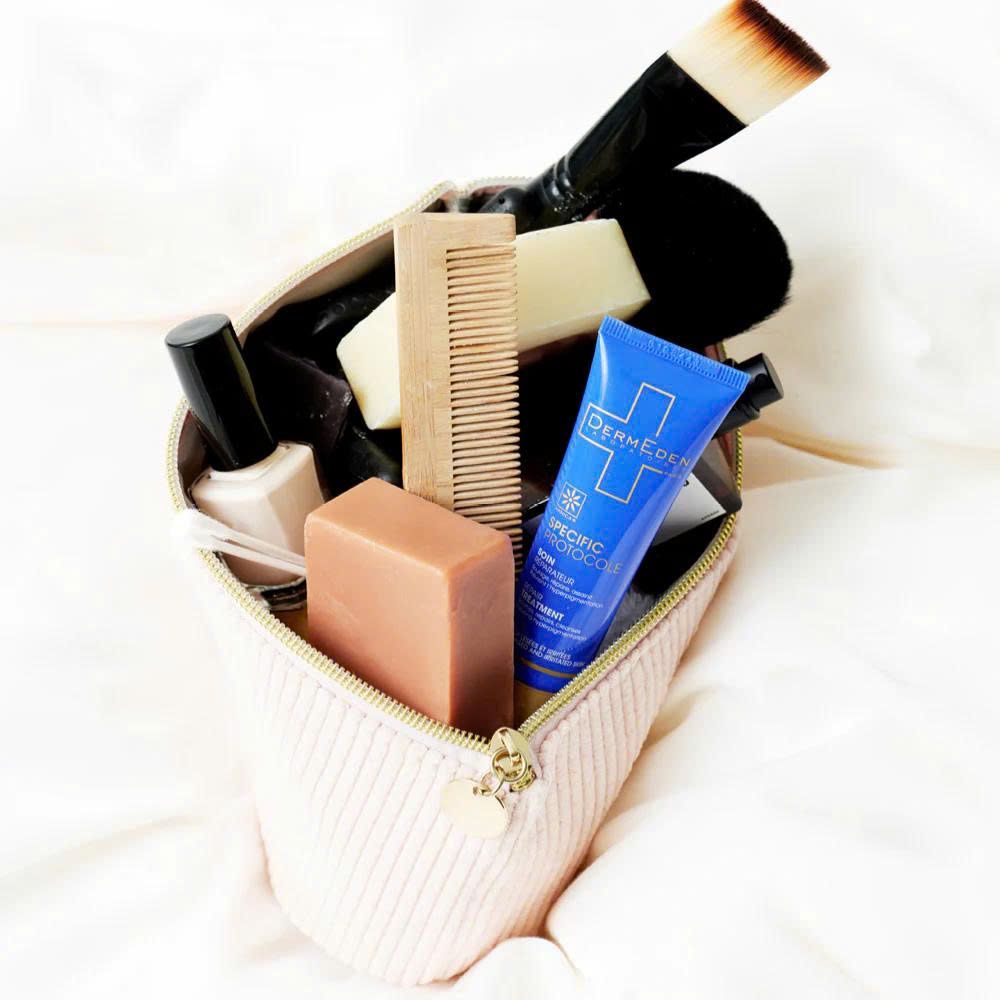
For best results, apply DermEden Cicaderm Repair Care Cream two to three times daily, especially after professional treatments, sun exposure, or whenever your skin needs extra recovery support.
https://nzheal.co.nz/earths-kitchen-kawakawa-tamanu-sunscreen-spf50-150g/
Step 4. Protect with sunscreen
Healing skin is more vulnerable to UV damage, so sunscreen is an essential final step every morning – even if you spend most of your day indoors.
Choose a gentle sunscreen suitable for sensitive skin with broad-spectrum SPF 50+ protection.
EK Kawakawa Sunscreen by Earth’s Kitchen, made in New Zealand, is a 100% organic sunscreen formulated for all skin types, including sensitive skin. Its high SPF protection makes it an excellent choice while your skin barrier is recovering.
A repair cream plays an essential role in any skin recovery routine by helping to calm irritation, strengthen the skin barrier, and support healthy regeneration. DermEden Cicaderm Repair Care Cream is a reliable option for anyone looking to restore sensitive or damaged skin.
When you understand what is causing your skin sensitivity and follow a suitable skincare routine, your skin can recover more quickly, become stronger, and maintain a healthier, more resilient skin barrier over time.