




Marine Calcium: Ocean-sourced Calcium for Stronger Bones
Do you know why moms have always encouraged us to drink milk from an early age?
Calcium is the most abundant mineral in the human body. Not only does it help maintain strong bones and teeth, but it also supports muscle function, nerve and cell signaling, and hormone secretion.
However, many people still do not get enough calcium from their daily diet, even when consuming milk, broccoli, or spinach regularly. Meanwhile, many calcium supplements heavily promoted on the market today are made from inorganic calcium sources derived from limestone or chalk.
The Hidden Downsides of Inorganic Calcium
Nowadays, calcium supplements are widely available and commonly used. Although these products have been promoted for years for their bone health benefits, recent research suggests that certain forms of calcium supplements may not provide the expected benefits for osteoporosis and could potentially increase the risk of other health concerns.
A 2010 study published in the British Medical Journal by researchers from the University of Auckland and Dartmouth Medical School found that people taking calcium supplements had a higher risk of heart attack and hip fractures compared to those who did not take supplements. The researchers also concluded that the role of calcium supplements in the prevention and treatment of osteoporosis should be reassessed.
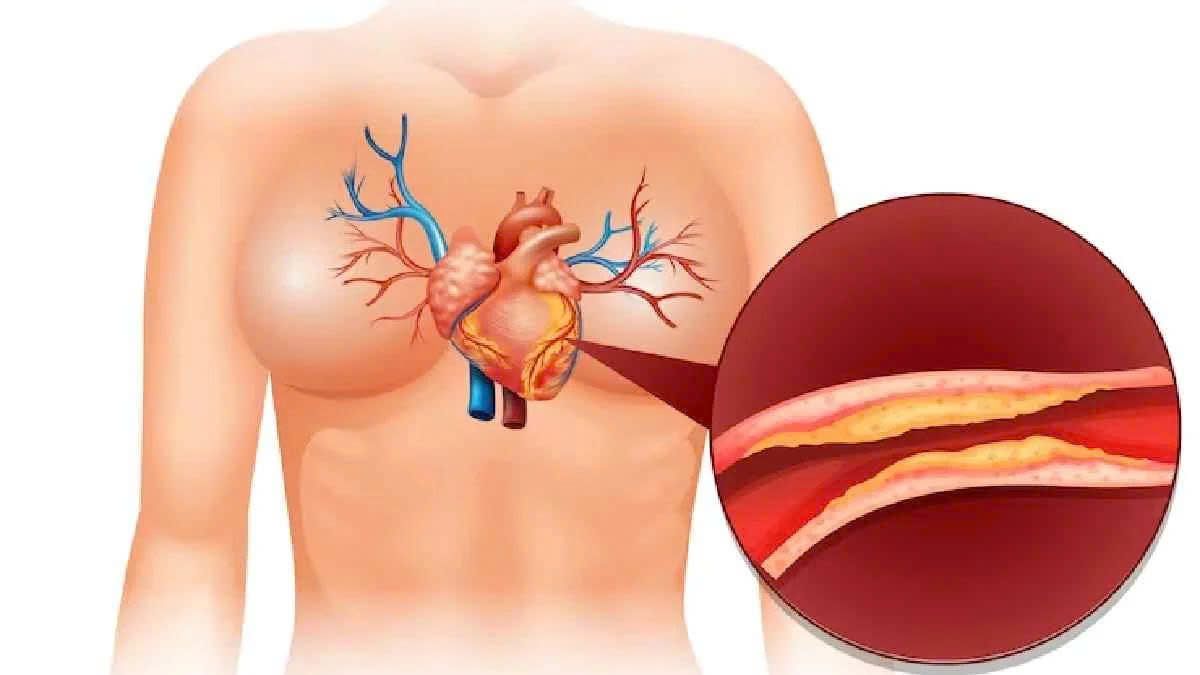
Following this, a large-scale 2012 study involving more than 24,000 men and women aged 35–64 also reported an increased risk of heart attack among calcium supplement users. In contrast, calcium obtained naturally from food sources did not show the same risk.
So why does this happen? According to experts, calcium consumed through supplements may not be absorbed as efficiently as calcium from natural foods and may be more likely to accumulate in blood vessel walls.
These findings suggest that calcium from natural food sources should always be prioritized whenever possible. Foods rich in calcium include sardines, tofu, almond milk, soy milk, kale, broccoli, dark leafy greens, and white beans.
Marine Calcium – A Bioavailable Calcium Solution from the Ocean
Even with a calcium-rich diet, many people still struggle to meet their daily calcium needs. That is why Aquamin TG has become a standout option among next-generation calcium supplements.
Aquamin TG is a highly bioavailable marine calcium derived from red algae. Just 500mg of Aquamin TG provides approximately 160mg of high-quality calcium — comparable to the calcium content found in a serving of spinach.

The algae are sustainably harvested from the clean coastal waters off Ireland and Iceland, ensuring a pure and sustainable source of marine minerals. During growth, this unique red algae naturally absorbs minerals directly from seawater, making Aquamin TG not only rich in calcium but also a valuable source of magnesium, iron, zinc, and selenium.
Beyond supporting bone health, Aquamin TG has also been studied for its ability to support the body’s healthy inflammatory response by inhibiting cytokine secretion — a factor associated with various health concerns, including osteoarthritis.
A study published in Nutrition Journal in 2009 also reported that Aquamin helped reduce joint stiffness and discomfort during movement.
Aquamin TG is also a key ingredient in Xtend-Life Bone Support, where it is used to support calcium intake and bone strength.
Using organic marine calcium combined with Vitamin D3, Vitamin K2, mangosteen extract, and strontium, Xtend-Life Bone Support is widely chosen to support bone health and help reduce the risk of osteoporosis in adults.
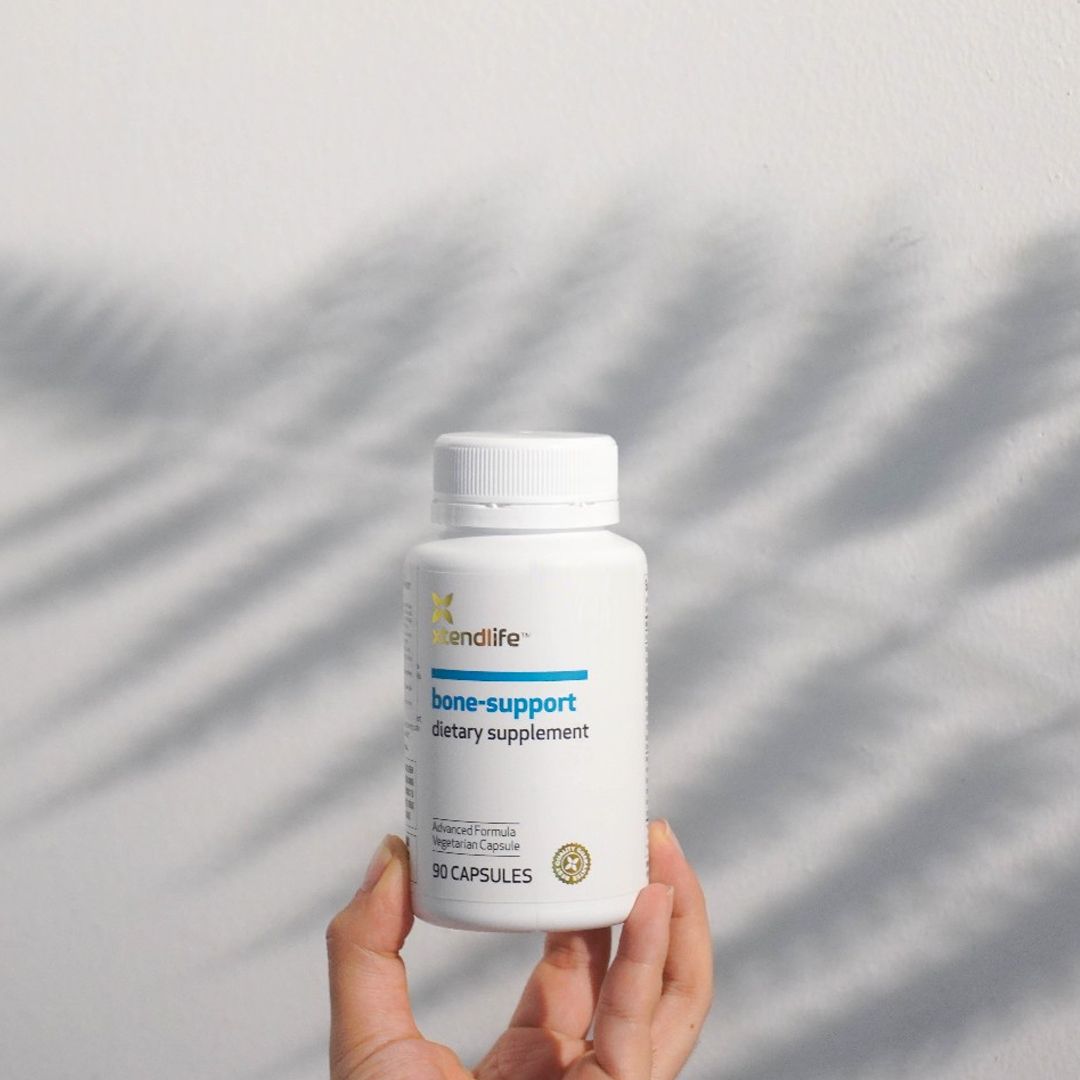
Notably, Bone Support can also be used for children from the age of 4 to help support optimal height growth during key growth and development years.






Xin chào, đây là một bình luận
Để bắt đầu với quản trị bình luận, chỉnh sửa hoặc xóa bình luận, vui lòng truy cập vào khu vực Bình luận trong trang quản trị.
Avatar của người bình luận sử dụng Gravatar.