


Only 60s – Take a proactive approach to bone and joint health
Your bones and joints form the framework of your body, supporting movement, mobility, and everyday activities. When bone and joint health begins to decline, it can affect not only physical strength but also overall comfort, flexibility and quality of life.
As part of the natural aging process, bone density gradually decreases, while cartilage and joint fluid can become less abundant. Over time, bones may become more fragile and joints less flexible, making it more difficult to stay active and independent.
Bone health is about more than just Calcium
Many people assume that poor bone health is simply the result of calcium deficiency. While calcium is essential, it is only one piece of a much larger picture.
The body requires calcium in a form that can be effectively absorbed and utilized. Some nutritional perspectives also suggest that maintaining a balanced internal environment is important for long-term bone health. When the body’s acid-base balance is disrupted, regulatory mechanisms work to restore stability and support normal physiological function.
In this process, the body may draw upon stored minerals, including calcium, to help maintain balance. Over time, prolonged imbalances may affect the body’s mineral reserves, including those stored in bones.
4 ways to support healthy bone density
1. Include more alkaline-forming foods in your diet
A balanced diet rich in fruits and vegetables can help support overall health and contribute to a healthy internal environment.
Consider including foods such as leafy greens, lemons, watermelon, mangoes, apples, pears, and kiwifruit in your daily meals. It is also beneficial to moderate sodium intake, as excessive sodium consumption may increase calcium excretion through urine.
Maintaining a balanced diet and limiting highly processed foods can support both bone health and overall wellbeing.
2. Support natural Vitamin D production
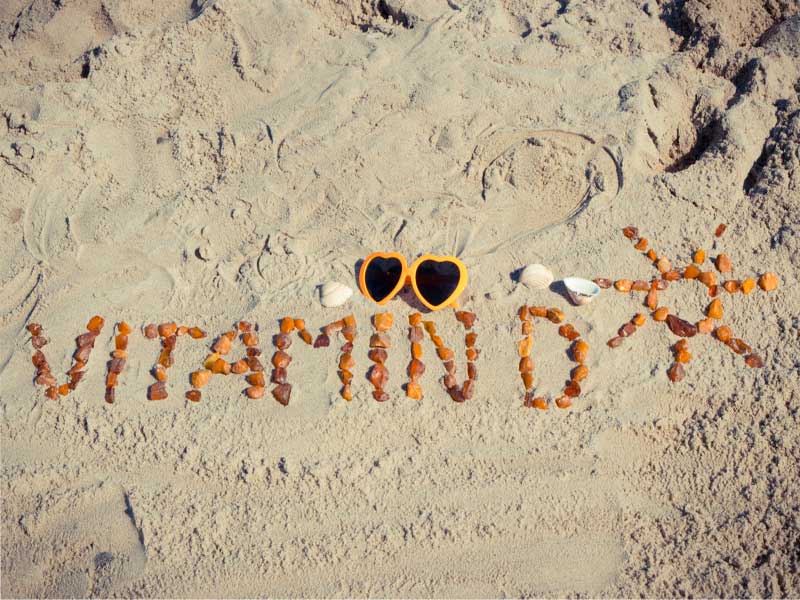
Vitamin D plays a vital role in calcium absorption and bone health. Safe and appropriate sun exposure allows the body to naturally produce Vitamin D. Combined with a nutritious diet and healthy lifestyle, maintaining adequate Vitamin D levels can help support long-term skeletal health.
3. Engage in weight-bearing exercise
Bones are living tissue that respond positively to physical activity. Weight-bearing exercises such as walking, climbing stairs, resistance training, and other strength-based activities can help maintain bone density while supporting muscle strength and balance.
If you are new to exercise, consider seeking guidance from a qualified fitness professional to develop a routine suited to your individual needs and abilities.

4. Consider nutritional support for bone health
In addition to healthy eating, regular exercise and adequate sun exposure, targeted nutritional support may help maintain healthy bones.
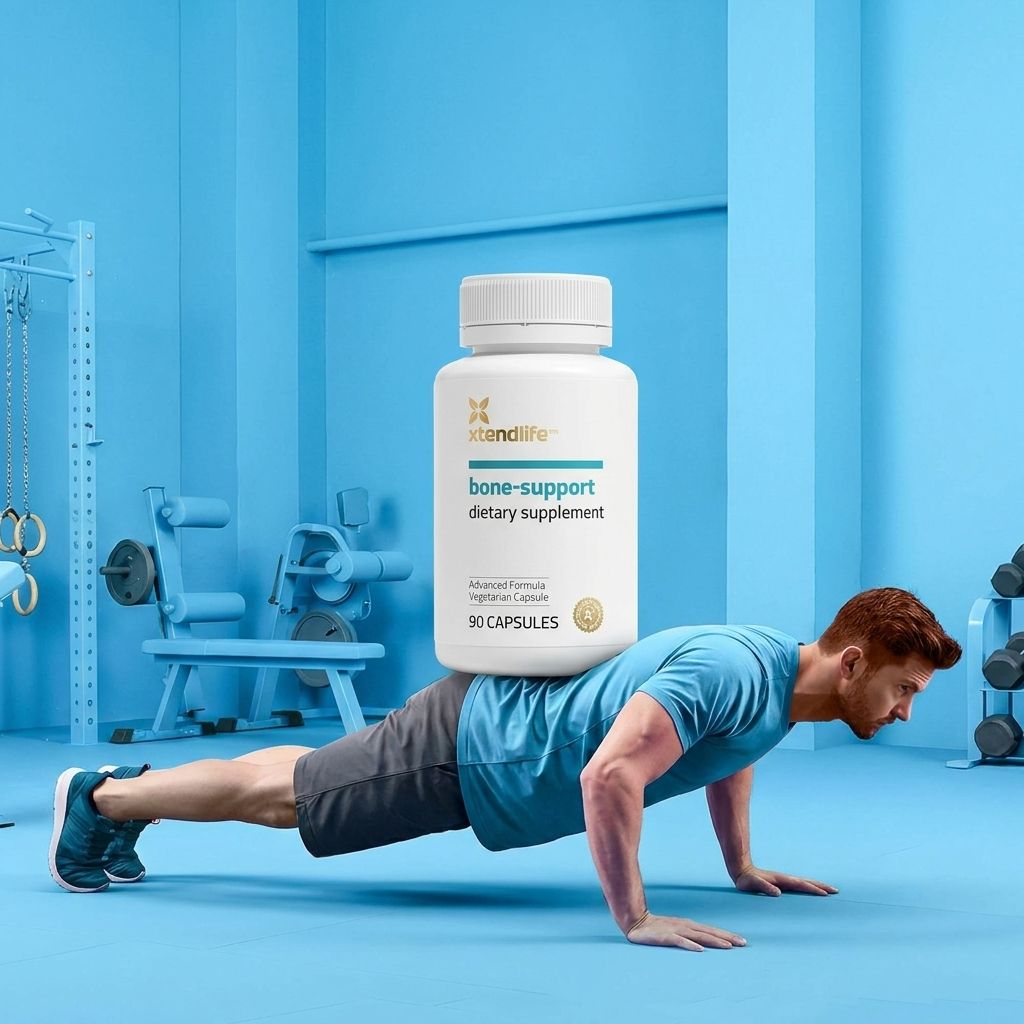
Xtendlife Bone Support contains Aquamin® TG, a natural marine calcium sourced from red algae. The formula is further enhanced with Vitamin D3 and Vitamin K2, nutrients that work together to support calcium absorption and utilization. This combination is designed to help support healthy bone structure and long-term skeletal wellbeing.
Don’t forget about your joints! Strong bones are only one part of maintaining an active lifestyle – healthy joints are equally important.
Regular movement and exercise can help support joint function and mobility. In addition, nutrients such as Omega-3 fish oil and New Zealand green-lipped mussel powder have been widely studied for their role in supporting joint health, cartilage maintenance, and overall flexibility.
Bone and joint care should not begin only when signs of aging appear. By taking proactive steps today through proper nutrition, regular exercise, and targeted nutritional support, you can help maintain strength, mobility, and independence for years to come.